Airport Transit Visa Guide — Do You Need One for Your Layover?
Some layovers require a visa even if you never leave the terminal. Here's how to know — and how to prepare — before you book.
What Is an Airport Transit Visa?
An airport transit visa (ATV) permits you to pass through a country's international transit zone — the airside area before passport control — while connecting to another flight. It does not allow you to enter the country itself.
The key distinction: you never formally "enter" the country, but many countries still require you to hold a specific visa to use their transit zone. This catches a lot of travellers off guard because the assumption is that staying airside means staying visa-free.
Whether you need one depends almost entirely on your passport nationality and the specific country you're transiting through. The same passenger transiting London might need an ATV with a Tanzanian passport but not with a Canadian one. Airline check-in agents at your departure city will typically deny boarding if you lack the correct transit visa — so this is something to confirm well before you get to the airport.
For a broader look at what to check before any layover, the visa requirements section of our layover tips guide is a useful starting point.
Who Needs an Airport Transit Visa?
Whether you need an ATV depends on three things: your passport nationality, the country you're transiting, and whether you hold any existing visas or residence permits that grant an exemption.
Nationals of countries with strong passports (most EU states, the US, Canada, Australia, Japan) are exempt from transit visas in almost every country. The requirement falls mainly on passport holders from countries that are considered higher-risk for immigration purposes — including many African, South Asian, and Middle Eastern nationalities.
Your Passport Nationality
The single biggest factor. Always check official government sources using your own passport — not a friend's experience with a different one.
Existing Visas or Residency
Holding a valid US visa, UK visa, or Schengen visa often exempts you from transit visa requirements in third countries. The rules vary by country.
The Transit Country
Each country sets its own ATV rules. The UK has some of the strictest requirements; Japan and Singapore are generally more permissive.
Length of Connection
A very short connection can sometimes exempt you (e.g. under 24 hours in some countries), but this isn't universal — don't rely on it without verifying.
If you're planning to leave the airport during a long layover, that's a separate question entirely — you'd need a standard visitor or transit visa for entry. Our city stopover visa guide covers that case in detail.
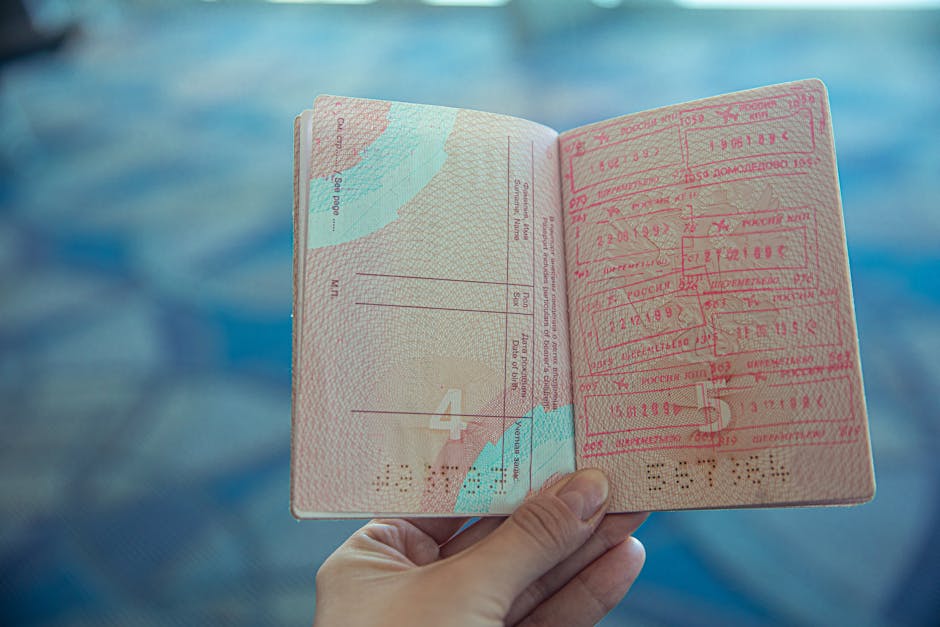
Country-by-Country Breakdown
Requirements differ significantly by country. The UK has the most extensive ATV list, requiring transit visas from travellers of more than 100 nationalities. The Schengen Area, the US, Canada, and several major Asian hubs each have their own rules.
The table below summarises key transit countries, their general ATV stance, and the most common exemptions. Always verify against official government sources before booking — these rules change.
| Country / Airport | ATV Required? | Key Exemptions | Notes |
|---|---|---|---|
| United Kingdom LHR, LGW, MAN, GLA |
Required | Valid US, Canadian, Australian, Schengen, or Irish visa; EEA nationals; many others | One of the strictest ATV regimes globally. Check UKVI's "Direct Airside Transit Visa" list. See our Heathrow transit rules. |
| Schengen Area CDG, FRA, AMS, ZRH, MUC |
Conditional | Valid Schengen, US, UK, or Canadian visa/residency; many nationalities are fully exempt | Applies to all 26 Schengen states. Airside transit is usually fine with the right exemptions. See guides for Frankfurt, Amsterdam, and Munich. |
| United States JFK, LAX, and all US airports |
Required (C-1 visa) | Visa Waiver Program (VWP) countries; valid US visa holders | The US has no simple "airside transit" category — all transiting passengers must clear US immigration. ESTA is required for VWP nationals. See our JFK layover guide. |
| Canada YYZ, YVR, YUL |
Conditional | US green card holders; valid US visa holders; citizens of visa-exempt countries | eTA required for most nationalities even for airside transit. See our Toronto Pearson transit rules. |
| Singapore SIN — Changi |
Generally Free | Most nationalities can transit visa-free | Some nationalities require a transit visa. Singapore's Transit Without Visa program is one of the most traveller-friendly in the world. |
| UAE (Dubai) DXB |
Generally Free | Most nationalities; some South Asian passports may require a transit visa | Most travellers transit freely. Check ICA requirements for your specific nationality. See our Dubai layover guide. |
| Qatar DOH — Hamad |
Generally Free | Most nationalities | Qatar offers a Hayya transit visa-on-arrival for many nationalities for stays up to 96 hours. Airside transit is generally open. See our Doha layover guide. |
| Turkey IST — Istanbul |
Generally Free | Most nationalities for airside transit | Airside transit is broadly open. Entry visas (for leaving the airport) are separate and available as e-visa for many nationalities. See our Istanbul transit guide. |
| Japan HND, NRT |
Generally Free | Most nationalities; some require a transit visa | Japan allows short airside transits for most passports. See our Haneda layover advice. |
| South Korea ICN — Incheon |
Conditional | Many nationalities exempt; check your passport | Incheon has a Transit Without Visa arrangement for eligible passengers. See our Incheon transit visa section. |
| Hong Kong HKG |
Conditional | Many nationalities; some require a visa even airside | Requirements depend on nationality and destination. Some nationalities from sub-Saharan Africa and South Asia require a transit visa. See our Hong Kong layover guide. |
| Australia SYD, MEL, BNE |
Required | Citizens of transit visa-exempt countries (most Western passports) | Australia requires a Transit Visa (Subclass 771) for most non-exempt nationalities, even for airside connections. See our Sydney transit info. |
Important: This table is a practical overview, not a legal reference. Requirements change, and individual circumstances (your destination, your existing visas) affect eligibility. Always verify with the official immigration authority of the transit country or through IATA's Timatic database before you travel.
How to Apply for an Airport Transit Visa
The application process varies by country, but the core steps are similar: identify whether you need one, gather documents, apply at the relevant embassy or online portal, and allow plenty of processing time before your trip.
-
Confirm you actually need one
Check the official immigration website of the transit country, or use IATA's Timatic tool (accessible via most airline booking sites). Enter your passport nationality and transit country to get a definitive answer.
-
Check if an existing visa exempts you
A valid US, UK, or Schengen visa or residence permit often removes the ATV requirement in other countries. Read the exemption list carefully — it can save you a significant amount of time and money.
-
Contact the relevant embassy or consulate
For countries like the UK, you apply through a formal visa application (UKVI's "Direct Airside Transit Visa"). For others, the process may be an online e-visa or even a visa-on-arrival arrangement. Find the correct body through the transit country's official government website.
-
Gather your documents
Commonly required: valid passport (with at least six months validity and blank pages), your onward flight booking confirmation, proof of funds, accommodation in your final destination, and photographs. Some countries may ask for your return or onward ticket.
-
Apply early
Processing times vary widely — from a few days to several weeks. Apply as soon as your travel dates are confirmed, and never rely on a last-minute submission for an international trip.
-
Carry the documentation physically and digitally
Print your visa approval and carry it alongside your passport. Also save a digital copy in cloud storage. Airline check-in staff and border officials may both want to see it.
If you're unsure which documents to carry through your layover in general, our layover packing guide's documents section has a full checklist.
Tips to Avoid Issues at the Gate
The most common transit visa problem isn't a denial at the border — it's being refused boarding at your departure airport. Airlines are fined for carrying passengers who can't legally enter or transit a country, so they check rigorously.
Don't trust friend's experiences
Someone with a different passport had a different experience. Visa rules are passport-specific. Always verify for your own nationality.
Use IATA Timatic
This is the same database airlines use at check-in. Access it through any airline's "Travel Document Checker" tool on their website.
Book connecting flights on one ticket
If your connection is on a single itinerary, the issuing airline is responsible for checking transit requirements. This doesn't eliminate your responsibility to comply, but it adds a safety net.
Check visa validity, not just existence
Some ATV exemptions require an existing visa to be valid (not merely issued). A recently-expired US visa may not grant you an exemption in a third country.
Consider longer connection times
A tight connection gives you no room to handle unexpected document issues. Calculating real buffer time is especially important when transit visa status is complex.
Re-check rules after any changes
If you change your itinerary, nationality documents, or destinations — even slightly — re-verify requirements from scratch. A new transit country means a new set of rules.
A note on city stopovers
If your plan involves leaving the airport — even briefly — during a layover, you'll need a different type of visa (typically a standard visitor or transit entry visa). This is a separate category from an ATV. Our guides to Singapore city stopovers, Dubai city stopovers, and London city stopovers each cover the entry requirements specific to that destination.
For layover destinations that let most travellers in visa-free — like Singapore's Transit Without Visa programme or Istanbul's broadly open airside zone — the experience is much simpler. Those are genuinely among the most transit-friendly airports in the world.
Make Your Layover Work for You
Once you've sorted your transit visa, the real question is how to use that time well — whether that's a quiet lounge, a city sprint, or a proper meal.